
- VisitExploreLearnEducation Ambassadors
Corn Snake
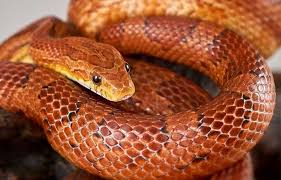
Scientific name: Pantherophis guttatus
Family: Colubridae
Order: Squamata
Class: Reptillia
Range: Southern United States ranging from New Jersey to the Florida Keys
Habitat: Terrestrial
Lifespan: 6 to 8 yearsThe corn snake, sometimes called red rat snake, is a species of North American rat snake in the family. It is found throughout the southeastern and central United States.
What do they look like?
The natural corn snake is usually orange or brown bodied with large red blotches outlined in black down their backs. The belly has distinctive rows of alternating black and white marks. This black and white checker pattern is similar to Indian corn which is where the name corn snake may have come from. The corn snake can be distinguished from a copperhead by the corn snake’s brighter colors, slender build, slim head, round pupils, and lack of heat-sensing pits.
How do they behave?
Though superficially resembling the venomous copperhead and often killed as a result of this mistaken identity, the corn snake lacks functional venom and is harmless. The corn snake is beneficial to humans because it helps to control populations of wild rodent pests that damage crops and spread disease. The corn snake is named for the species’ regular presence near grain stores, where it preys on mice and rats that eat harvested corn.
What’s on the menu?
Like all snakes, corn snakes are carnivorous and, in the wild, they eat every few days. While most corn snakes eat small rodents, such as the white-footed mouse, they may also eat other reptiles, or amphibians, or climb trees to find unguarded bird eggs. The species subdues its small prey by constriction. At the Zoo, they eat mice.
How are they born?
Egg-laying occurs slightly more than a month after mating, with 10-30 eggs deposited into a warm, moist, hidden location. Once laid, the adult snake abandons the eggs and does not return to them. The eggs are oblong with leathery, flexible shells. About 10 weeks after laying, the young snakes use a specialized scale called an egg tooth to slice slits in the egg shell, from which they emerge at about 5 in long.
What should you know about them?
Corn snakes can grow to between 2-6 feet long, and weigh 2 lbs. In colder regions, the corn snake brumates during winter. In the wild, the corn snake prefers habitats such as overgrown fields, forest openings, trees, abandoned or seldom-used buildings and farms, from sea level to as high as 6,000 ft. Typically, the corn snake remains on the ground until the age of four months but can ascend trees, cliffs, and other elevated surfaces.
Conservation Connection
Red Cornsnake Pantherophis guttatus has most recently been assessed for The IUCN Red List of Threatened Species in 2015, and is listed as Least Concern.
Zoo on the Hill
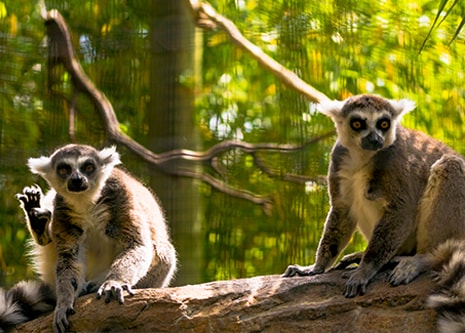
Located across from the Keep-Around Carousel is the Zoo on the Hill. Learn about wildlife up close during daily meet-and-greets, leap like a lemur on the playground, brush and feed the goats,, or take a peek inside Doc’s Critter Care building and the Ranch House. Double-H Ranch features a combination of animal exhibits, including giant anteaters and red ruffed lemurs, as well chickens and domesticated animals that are docile enough to touch.
See Animals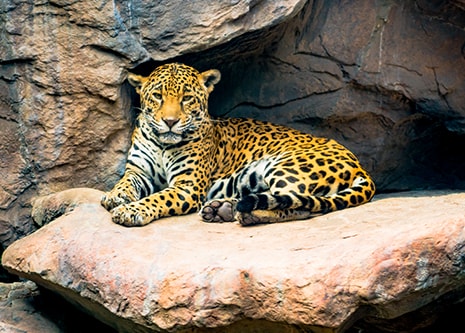
Zoo in the Hollow
Follow the crooked bamboo pathway down into the hollow and visit with some of the most amazing animals in the world. Where else in San José can you get up close to a stunning jaguar, lemur, meerkat or American alligator? Happy Hollow is dedicated to helping save species and preserve wildlife for future generations by participating in Species Survival Plan programs through the Association of Zoos and Aquariums.
See AnimalsVisit Us Today
Plan an unforgettable experience at San Jose’s family-friendly park and zoo.
more info